eControl Conversion in the Scottish Highlands

We recently made our way up to Torridon, in the beautiful Scottish Highlands, for an eControl Conversion.

It was an early start for us, with a 4 hour drive ahead. When our work takes us to the beautiful Scottish Highlands, we can't complain too much about early starts! After taking in the sights, we finally arrived at Torridon to complete this eControl Conversion.


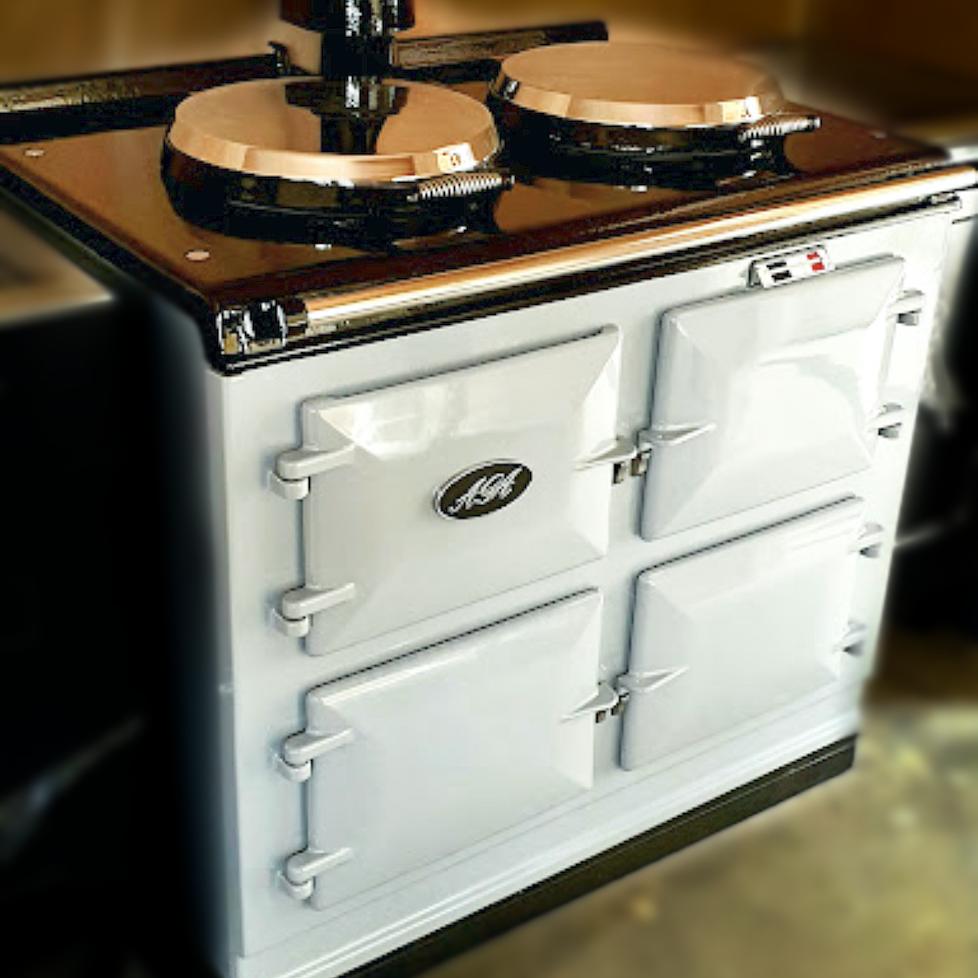
This was a 4 Oven Post-1995 Oil Aga Range Cooker, which was costing a lot to run. The frequent servicing, lighting issues and smells were also a deciding factor on choosing the eControl Conversion.


With the eControl conversion, you have the ambient heat option to kick lots of heat out into the room (perfect for this open plan kitchen!). You've also got the option to turn the hotplates on/off individually, and change the oven temperatures to reduce that heat in the warmer months.


The views from the back door were absolutely stunning. Of course, I took the time to soak it in whilst Steve was doing all the hard work.


The Oil feed was disconnected, along with the oil control box. Then, the top was removed with the internal rockwool insulation. All 400 litres of loose-fill vermiculite was vacuumed out before the Aga Range Cooker was completely dismantled.


Once the cooker was dismantled, the ovens were modified for the eControl Conversion, and the rebuild started. The new hi-tech insulation was seated in place and the cooker was rebuilt, incorporating the new electric elements.

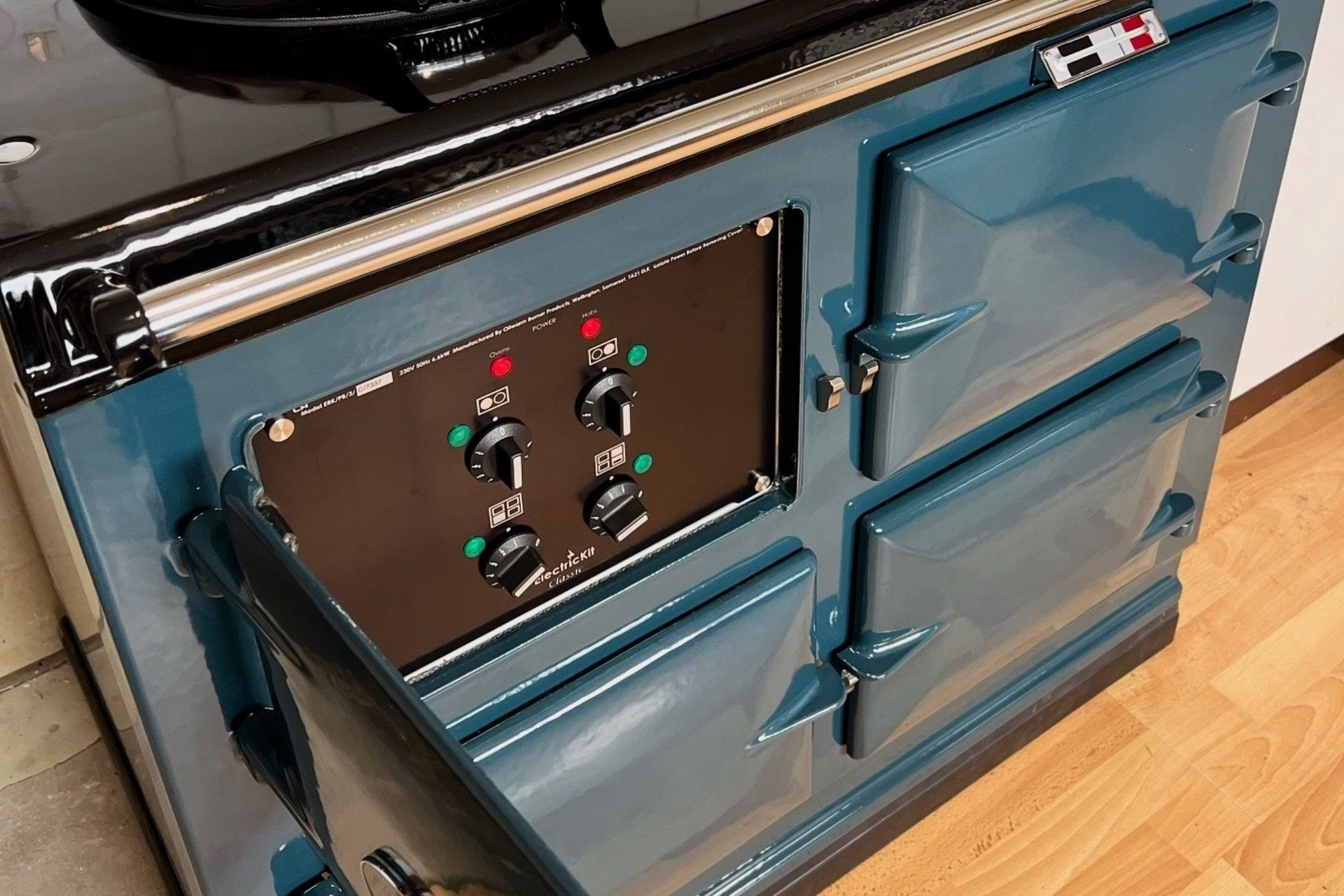
Once the eControl Conversion was all in place, the top plate was reseated and fixed into place. You can see the sleek eControl panel with the two easy-to-use dials for the hotplates and ovens.


The thermometer is now redundant, so it is replaced with a sleep eControl branded plate. The customer asked to keep their existing black flue pipe for aesthetics and to assist with the extraction of cooking smells from the ovens.


Once the eControl Aga Range Cooker was cabled into the 32amp supply, it was ready to go! 

About The Author:


Steven has been working with Aga Cookers since he was helping his father from the ripe old age of 10 years old! He created SALTIRECOOKERS with transparency and information in mind - a sustainable, family business, built to advise and share knowledge passed throughout the generations.


His absolute favourite part of the job is meeting all of the dogs.


About The Author:


Steven has been working with Aga Cookers since he was helping his father from the ripe old age of 10 years old! He created SALTIRECOOKERS with longevity in mind - a sustainable, family business, built to last throughout the generations. His favourite part of the job is meeting the dogs, seeing a good before/after and hearing great feedback.

Some Further Reading:


by Steven Johnson 30 January 2026
The internal cavities of Aga Cookers have historically been filled with loose-fill insulation. Inside the cooker body, there are lots of pockets and gaps around the cast iron conductions and burner casings etc. The insulation was poured inside after the build was complete, to rid the cooker of air pockets and insulate the cooker body. Diatomaceous Powder Insulation Early models of Aga cooker, like the Standard models made from the 1950's through to the Deluxe 1974 models (and some post-1974 models), would have originally contained Kieselguhr insulation power (or 'Diatomaceous Earth'). You can identify your model here. This is a fine, talc-like insulation, made from crushed up fossils called diatoms. It's satisfying to touch, but VERY messy to work with and instantly becomes thick clay once exposed to water or moisture. The good news is that amorphous diatomaceous earth is non-toxic. As with anything in powder or dust form - minimising exposure is key. You don't want to be breathing in lung-fulls of any dust or powder. If you're working with it, the proper PPE should be used; not just cloth or paper dust masks. Whilst the loose fill insulation may be ok, these models are still the most at risk for any asbestos exposure. AGA used asbestos rope seals inside their cookers for many years. These seals and gaskets are found inside the body of the older models explained above, and also around the lids and doors. Over the lifetime of these cookers, many of these gaskets and rope seals have been replaced for modern (safe) equivalents. AGA have previously reassured engineers and customers that undisturbed, these seals pose little risk and were of 'dust suppressed' or 'tightly woven' formats. Many of them have been exposed to moisture or grease over time which hardens them, meaning they're less friable in nature. They recommend that really old models of cooker are removed in one piece if possible and disposed of professionally.
by Steven Johnson 27 January 2026
If you need to light your gas aga cooker, follow these instructions to get your aga up and running again. We cover both Maxitrol and Eurosit valves with step-by-step lighting instructions.
by Steven Johnson 27 January 2026
If your ElectricKit Conversion hotplates have become unlevel, follow our guide to level them yourself - saving a call out fee!
Load More Posts...